“No Place for UNRWA in Gaza” — Does the Peace Council Signal an Attempt to Erase the Right of Return?


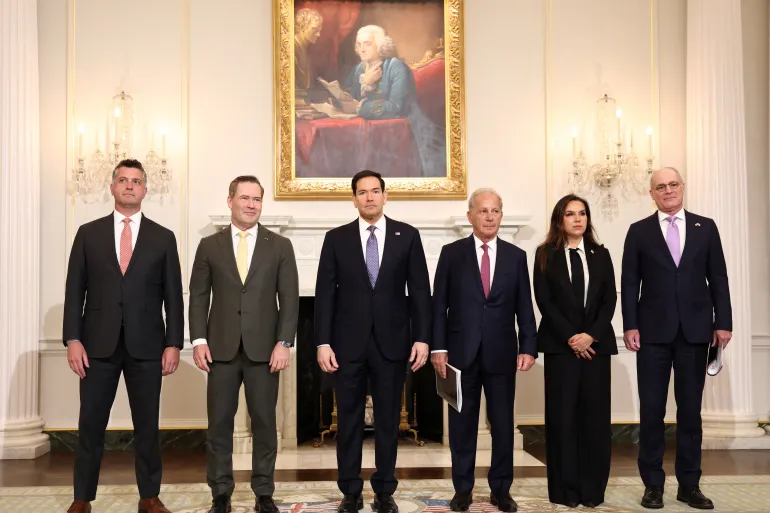
The declaration by the so-called Gaza Peace Council that there is “no place for UNRWA in the new Gaza” has sparked wider questions about the future of Palestinian refugees and their internationally recognized rights.
The council posted on its official account on the platform X that it does not see a role for UNRWA in the future of the enclave, arguing that it aims to end what it described as “ongoing dependency on aid,” and stating that “the people of Gaza deserve more.”
The Gaza Peace Council is a transitional administrative body with international legal personality, tasked with setting frameworks and coordinating funding for the reconstruction of the territory. It is part of a plan introduced by U.S. President Donald Trump on September 29, 2025, which was later endorsed by the United Nations Security Council.
Analysts and activists argue that calls to dismantle UNRWA and replace it with new structures reflect, in their view, alignment with the Israeli narrative. They warn that such proposals could shift the Palestinian refugee issue from a political and legal question—anchored in international resolutions—into a purely humanitarian and economic file, potentially undermining the right of return established under UN General Assembly Resolution 194.
Others believe the move represents an attempt to dismantle international institutions responsible for Palestinian refugees and weaken UNRWA’s political role as the primary UN agency symbolizing continued international recognition of refugee rights.
Criticism has also focused on the Gaza Peace Council itself, with commentators arguing that its vision overlaps with Israeli policy goals aimed at reshaping Gaza’s reality, weakening international institutions, and marginalizing UN frameworks in dealing with the Palestinian issue.
Some critics say the council is speaking on behalf of Palestinians without consulting them or their representatives, describing this approach as paternalistic and dismissive of Palestinians’ right to determine their own political future.
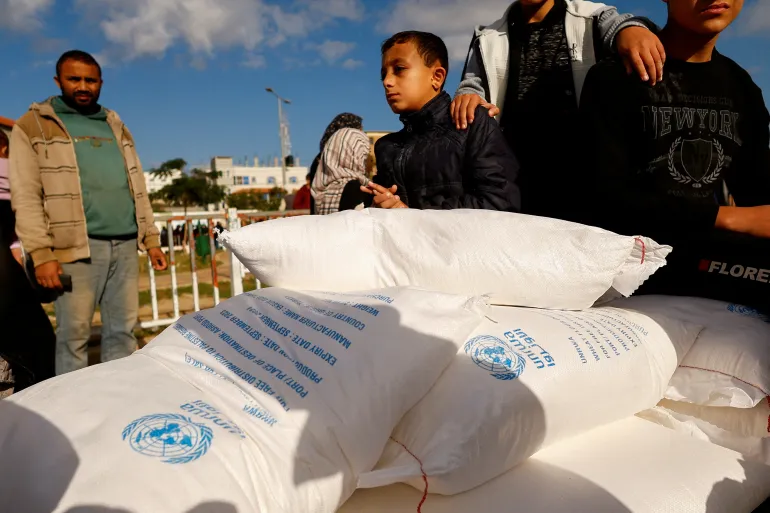
Activists stress that ending UNRWA’s role would mark a step toward dismantling the refugee file and the right of return, emphasizing that the agency has for decades provided education, healthcare, and relief services to millions of Palestinian refugees, and that replacing it would not alter their legal status or internationally recognized rights.
Supporters of UNRWA, meanwhile, argue that the agency is not merely a humanitarian service provider but an international witness to the unresolved refugee issue until a just political solution is reached in line with UN resolutions. They maintain that any attempt to end or replace its mandate would not eliminate refugee rights.
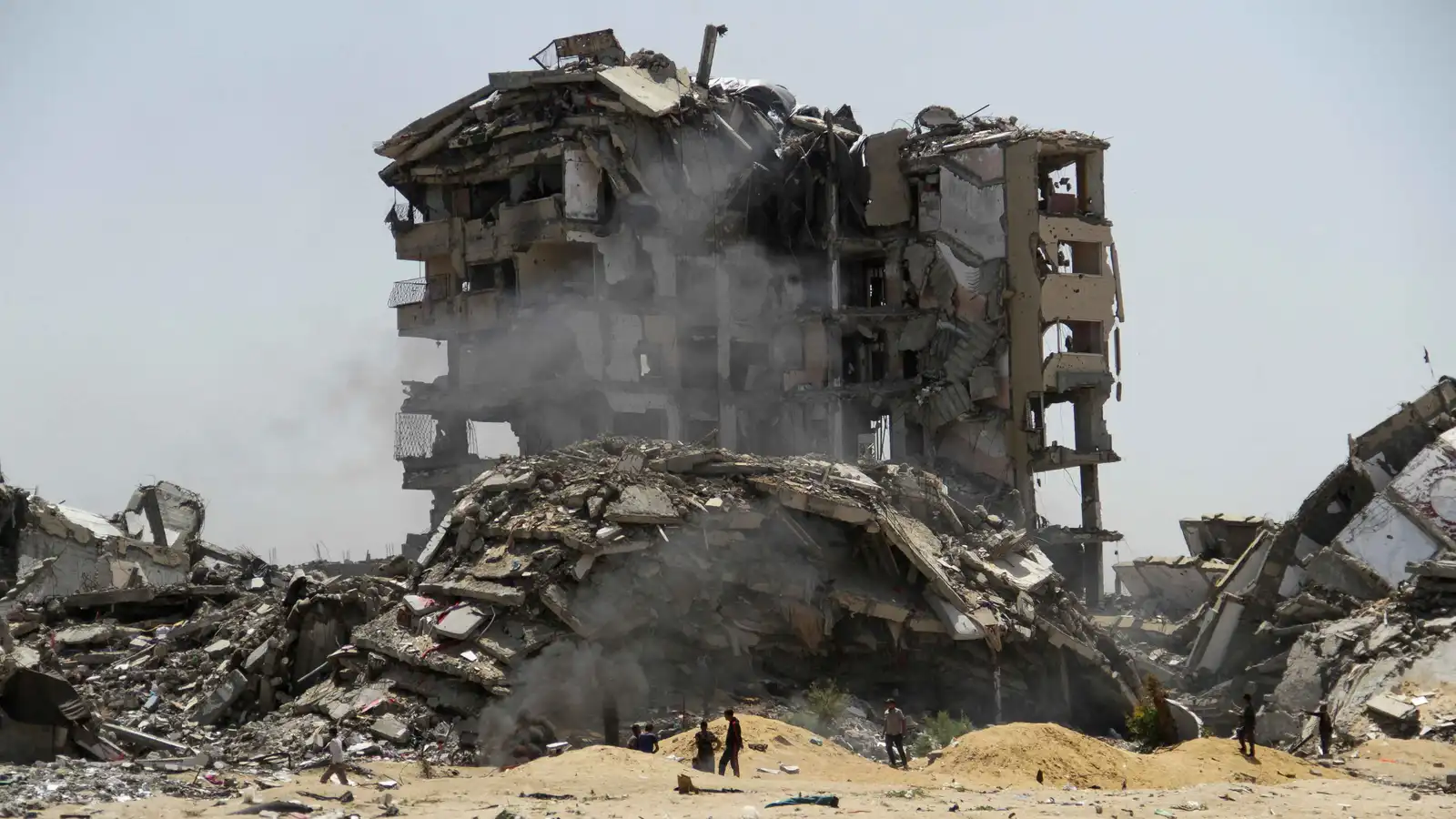
The developments come as UNRWA faces unprecedented challenges, including operational restrictions in Palestinian territories and severe funding shortages, alongside a deepening humanitarian crisis in Gaza.
While Israel views the agency as part of the problem, the United Nations and many donor states continue to support its mandate, insisting that its services remain essential to millions of refugees and that any reform to its status must be part of a comprehensive political settlement rather than unilateral action.

Related Topics:
Gaza UNRWA Palestinian refugees right of return Resolution 194 Gaza Peace Council Palestine Israel Gaza reconstruction Donald Trump United Nations Security Council humanitarian aid refugee crisis international law Middle East politics aid dependency UN agencies political solution Gaza conflict international relations