Explainer: What Are the “Pilot Zones” in the Lebanon–Israel Agreement?


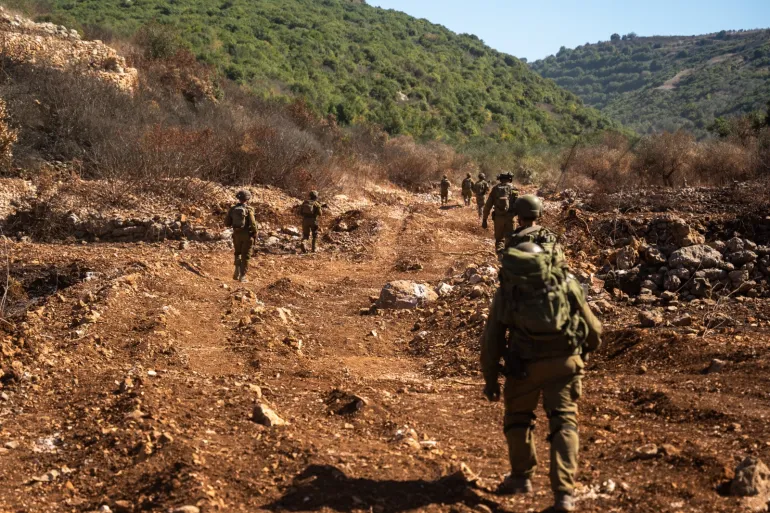
The "pilot zones" are designated areas intended to serve as a phased mechanism for the redeployment of Israeli forces and the subsequent transfer of responsibility to the Lebanese Armed Forces under the framework agreement signed between Lebanon and Israel on June 26, 2026. According to the agreement, the Lebanese Army would assume full responsibility for these areas after verifying the disarmament of non-state armed groups and the dismantling of their military infrastructure.
The agreement does not explicitly identify the locations of these areas. Instead, Article Three states that the Israel Defense Forces and the Lebanese Armed Forces will agree on two initial pilot zones, while any additional pilot areas will be designated through mutual agreement between both sides.
On July 1, 2026, the Israeli Public Broadcasting Corporation reported, citing informed sources, that implementation of the pilot-zone plan had been postponed pending the establishment of a joint monitoring mechanism between the Israeli and Lebanese armies.
Although the agreement does not specify the locations, the Israeli newspaper Haaretz, citing military sources, reported that the Israeli military had identified three villages in southern Lebanon for the initial phase: Froun, Ghandouriyeh, and Western Zawtar. According to the report, Israeli forces maintain positions in Froun and Ghandouriyeh but are not permanently deployed in Western Zawtar.
Haaretz and other Israeli media outlets further reported that Israeli forces do not exercise full control over the three villages designated as pilot zones but have carried out intermittent incursions there, reportedly as part of proposals by the Northern Command aimed at navigating the terms of the ceasefire.
On the Lebanese side, Mazen Ibrahim, director of Al Jazeeras bureau in Lebanon, stated that Lebanese authorities have not confirmed that Froun or Western Zawtar are among the pilot zones designated for an initial Israeli withdrawal. He added that members of the Lebanese negotiating delegation indicated that pilot zones should consist of territories considered under Israeli occupation, from which Israeli forces would withdraw before the Lebanese Army assumes control.
Later on July 1, Israeli public broadcaster Kan reported that implementation of the pilot-zone initiative had been delayed until both militaries reached agreement on a joint monitoring framework. According to the broadcaster, the delay reflects Israels demand for a robust verification mechanism ensuring effective Lebanese control and preventing the presence of armed elements affiliated with Hezbollah before the handover takes place.

Related Topics:
Lebanon Israel pilot zones Lebanon Israel agreement Lebanese Army Israel Defense Forces ceasefire South Lebanon Froun Ghandouriyeh Western Zawtar Hezbollah border security military redeployment Middle East regional security monitoring mechanism Israeli withdrawal Lebanon news Middle East politics