UNICEF Warns: 3 Million Children at Risk from Ebola Virus


The United Nations Children’s Fund (UNICEF) has warned that around 3 million children are facing increased risk due to the ongoing Ebola outbreak in eastern Democratic Republic of the Congo, as infections and deaths continue to rise from the currently circulating strain of the virus.
Health authorities in the DRC announced that confirmed cases of the “Ebola Bundibugyo” strain have reached 1,003, including 254 deaths, representing a fatality rate of nearly 25%.
This comes five weeks after the World Health Organization declared the outbreak in both the Democratic Republic of the Congo and Uganda a Public Health Emergency of International Concern, amid the absence of approved vaccines or treatments for this strain, unlike the “Ebola Zaire” variant, which has been targeted by vaccines in previous outbreaks.
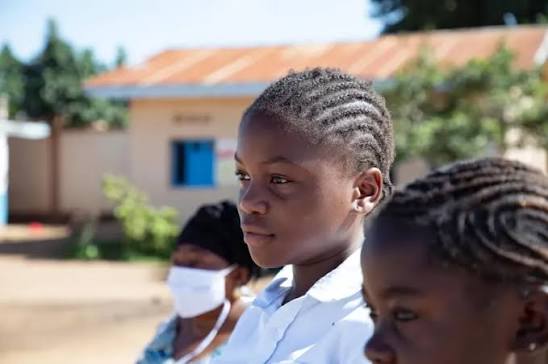
UNICEF stated that approximately 2.95 million children under the age of 18—representing 54% of the population across 31 affected health zones—are at risk of infection, in addition to being impacted by the collapse of essential services in affected areas.
The organization also noted that the current crisis has left more than 130 children orphaned in Ituri province, the main hotspot of the outbreak, increasing the need for protection and social care programs.
UNICEF Executive Director Catherine Russell said the organization’s teams have met children who lost their mothers or parents due to the disease, while many others are being exposed to rumors and misinformation about the virus.
Available data shows that children and adolescents account for about 15% of confirmed infections, while they represent more than 25% of total reported deaths as of June 19.
Indicators also suggest that infected children are twice as likely to die compared to adults, highlighting the disproportionate impact of the disease on younger age groups.
The World Health Organization said Congolese authorities have recently strengthened outbreak response measures with support from the agency and international partners.
Steps include expanding surveillance systems, improving laboratory capacity, increasing community awareness, and strengthening healthcare services in specialized facilities.
The DRC Ministry of Health reported that 100 people have recovered since the outbreak was declared on May 15, noting that infections remain concentrated in Ituri province, with additional cases in North Kivu and South Kivu.
However, health authorities acknowledged that undetected cases may still exist, stressing that the peak of the outbreak has not yet been reached.
They also said that contact tracing remains one of the biggest challenges, with coverage at just 55%, while efforts continue to monitor more than 35,000 people who have been in contact with confirmed cases.
Authorities have also not yet identified “patient zero,” the first known source of infection in the current outbreak.
In a separate development related to preventive measures, Kenya has witnessed legal controversy over a proposed U.S.-backed quarantine facility intended for American Ebola patients.
A Kenyan court found Health Minister Aden Duale in contempt for failing to halt construction of the facility despite a prior ruling freezing the project.
The minister is expected to appear in court for sentencing, after previously defending the project as beneficial for Kenya and its international partners in managing potential outbreaks.
The court had ordered a suspension of construction following a lawsuit filed by legal and human rights groups, which argued that Kenya’s healthcare system may be unable to safely manage foreign Ebola patients.
Meanwhile, Kenyan President William Ruto defended the project, stating that health and security cooperation with the United States has existed for years, and that the proposed facility is one of 24 centers designed to respond to potential outbreaks.