
Meta Enters Smart Glasses Race With New Generation Device


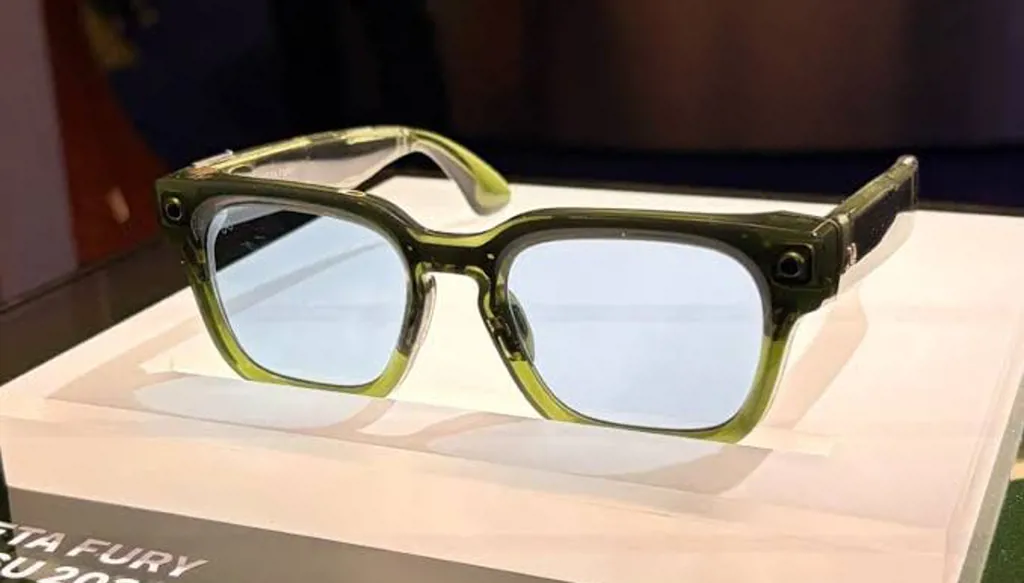
Meta has launched a new series of smart glasses under the name “Meta Glasses,” starting at $299, in a move aimed at strengthening its position in the wearable technology market.
The glasses were developed in partnership with EssilorLuxottica, but unlike earlier versions linked to the Ray-Ban and Oakley brands, the new line carries Meta’s own branding.
The products are now available in several countries, offering a range of colors and lens options to suit different user preferences.
According to data from Counterpoint Research, Meta and its partner EssilorLuxottica currently dominate more than 80% of the global smart glasses market.
The new device does not include a display screen, but it is equipped with an integrated camera and built-in speakers.
It also features a dedicated button that activates Meta’s AI assistant, which can be customized for other functions.
Battery life exceeds eight hours of use, while the portable charging case provides up to 40 additional hours.
The collection is offered in three main designs.
The first model, “Meta Adventure,” features a rectangular frame and comes in two size options.
The “Meta Fury” model is designed with sharper, more angular edges, targeting users who prefer a classic aesthetic.
The third version, “Meta Glasses by Kylie,” comes in a slim oval frame developed in collaboration with American model Kylie Jenner.
The new product line is heavily based on artificial intelligence, allowing the assistant to answer questions related to sports, restaurants, and daily activities.
It can also analyze what the built-in camera captures and provide contextual information based on the user’s surroundings.
Meta plans to introduce a step-by-step pedestrian navigation feature in upcoming updates.
The latest software improvements also include expanded real-time translation support for 14 additional languages, including Japanese, Mandarin Chinese, Hindi, and Korean.
The launch comes just one week after Snap introduced its own smart glasses, “Specs,” priced at $2,195.
Meta is betting on a lower price point and deeper AI integration to attract a wider user base amid intensifying competition in the smart glasses sector.