Riashi to Asia News Agency: Iran Will Have a Role in Lebanon and Has Entered the U.S. Axis


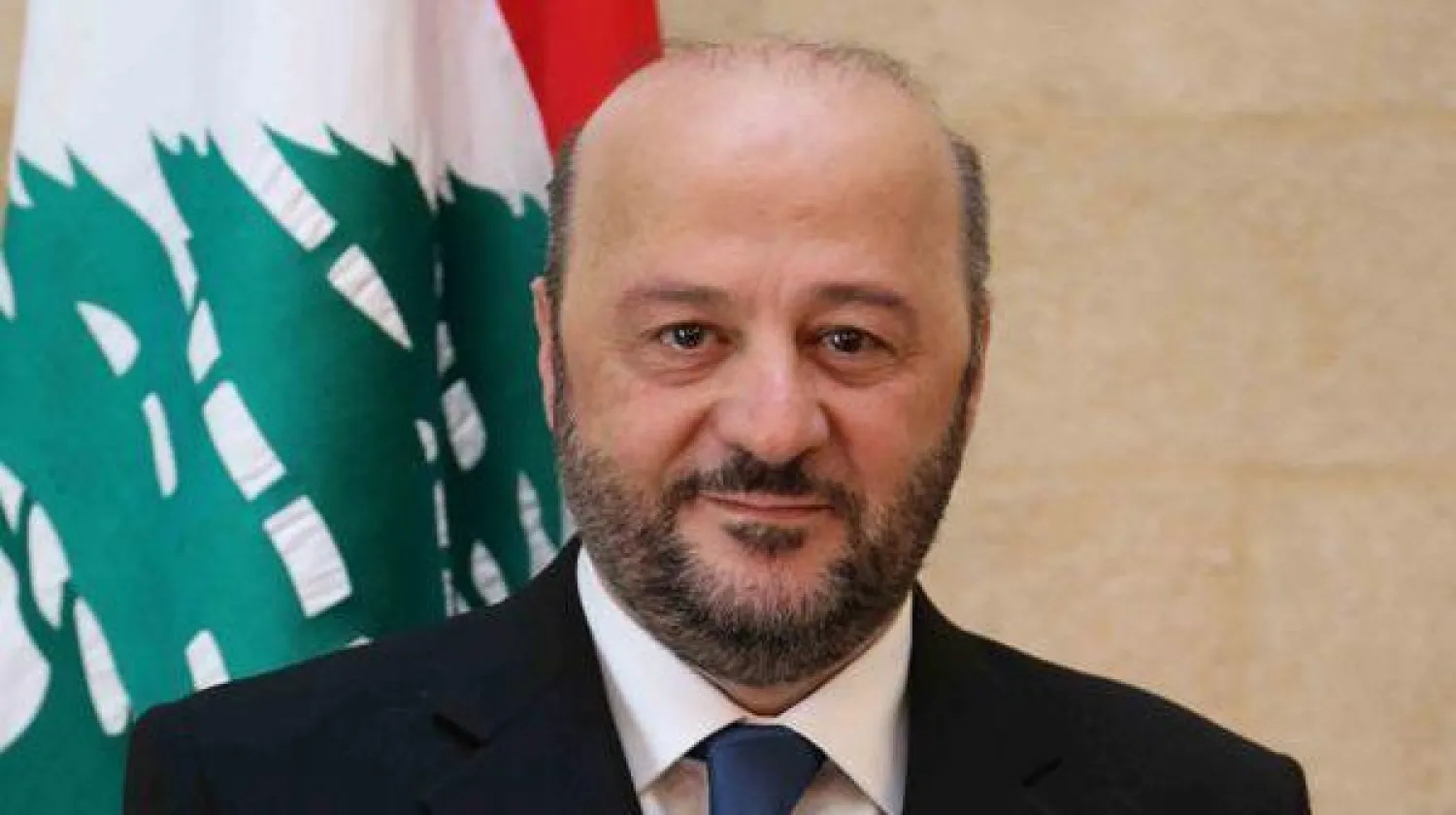
Member of the Lebanese Forces parliamentary bloc MP Melhem Riachi said in a statement to Asia News Agency that the message sent by Lebanese Forces leader Samir Geagea to U.S. Vice President JD Vance was a letter of thanks, as Geagea is the head of Lebanon’s largest Christian party, directed at Vance for what he described as his positive approach toward Lebanese citizens in general and Christians in particular, and as a request for support for the Lebanese state rather than for the Lebanese Forces.
When asked about expectations of increased international support for Lebanon, Riachi said that support for the Lebanese state will grow following the U.S.–Iran agreement, which he described as good news for the broader region referred to as “West Asia” in Iranian terminology. He added that changes will become visible within 120 days, noting that negotiations are expected to last 60 days and be extended for another 60.
Regarding claims that Iran has strengthened its influence in Lebanon after the agreement with the United States, Riachi said Iran will have a role in Lebanon through Hezbollah, describing this as natural. He also claimed that Iran has now become fully integrated into the American axis, and will assist the United States in exerting economic pressure on China, placing Iran within a geopolitical chain alongside Venezuela and Taiwan.
He further described the U.S.–Iran agreement as a highly positive indicator, saying the coming months will confirm its outcomes as direct negotiations mature in certain details.
Riachi added that the core agreement has already been reached, arguing that Hezbollah will retain a role in the next phase but not a military one, as he said armed conflicts in the region are ending. He claimed that Iran will no longer threaten Israel through its regional allies, and that Israel will also refrain from war in the coming period, which he described as a phase of reconstruction and economic recovery in Lebanon and the region, requiring several months to fully materialise.
He concluded by saying that the Lebanese Forces remain in political opposition to Hezbollah on many issues, but have no problem with its existence as a political movement, provided it operates under the authority of the state and the law, and not as an armed organisation.