Mediators Move Forward: Emerging International Plan to Reshape Iran’s Nuclear Programme


Nuclear Programme Restructuring
Negotiations related to Iran’s nuclear file are reportedly entering a new phase that goes beyond limiting enrichment and preventing weaponisation, moving instead toward a comprehensive restructuring of the programme into a strictly civilian framework under international oversight. The approach is said to be backed by financial and investment incentives led by Washington in coordination with regional and international mediators.
New Roadmap
According to U.S. diplomatic sources, Washington—working with Qatar and Pakistan—is preparing a technical working paper within the Geneva negotiation track. The document is expected to include a timetable for reorganising Iran’s nuclear programme and restricting its activities to peaceful civilian uses.
The plan reportedly aims to reclassify Iran’s nuclear facilities in line with civilian requirements, while opening the door to international and regional funding and investment programmes that would provide Tehran with economic incentives in exchange for compliance.
Inspection Before Implementation
Washington is seeking to define, in the next round of technical talks, the operational framework for International Atomic Energy Agency (IAEA) inspectors, allowing for a precise assessment of Iran’s nuclear facilities and technical capabilities.
This step is considered particularly significant in addressing highly enriched uranium stocks and reorganising reactors and nuclear centres within civilian-use parameters.
Joint Committee
According to informed sources, a technical committee is expected to be formed, comprising American and Iranian experts along with representatives of the IAEA. The committee would be tasked with developing practical frameworks for restructuring nuclear facilities and defining future monitoring and inspection mechanisms.
It would also address the operation of reactors and research centres following the settlement of enrichment and existing nuclear stockpile issues.
Financial and Investment Incentives
The U.S. vision reportedly includes financial grants and technical support programmes as part of any potential final agreement, aimed at enabling Iran to utilise its existing nuclear infrastructure for civilian applications such as energy, research, and medical uses under direct international supervision.
Washington believes this approach could create economic incentives that transform the nuclear programme from a source of political tension into a platform for cooperation and investment.
Beyond Enrichment
In parallel, International Atomic Energy Agency Director General Rafael Grossi has confirmed that talks with Iran are expected to begin soon to define inspection arrangements and technical mechanisms linked to future nuclear commitments.
Observers say the current negotiations are no longer focused solely on preventing nuclear weapons development, but on redesigning the entire structure of Iran’s nuclear programme to ensure any future activity is fully verifiable and internationally monitored.
Facilities with New Functions
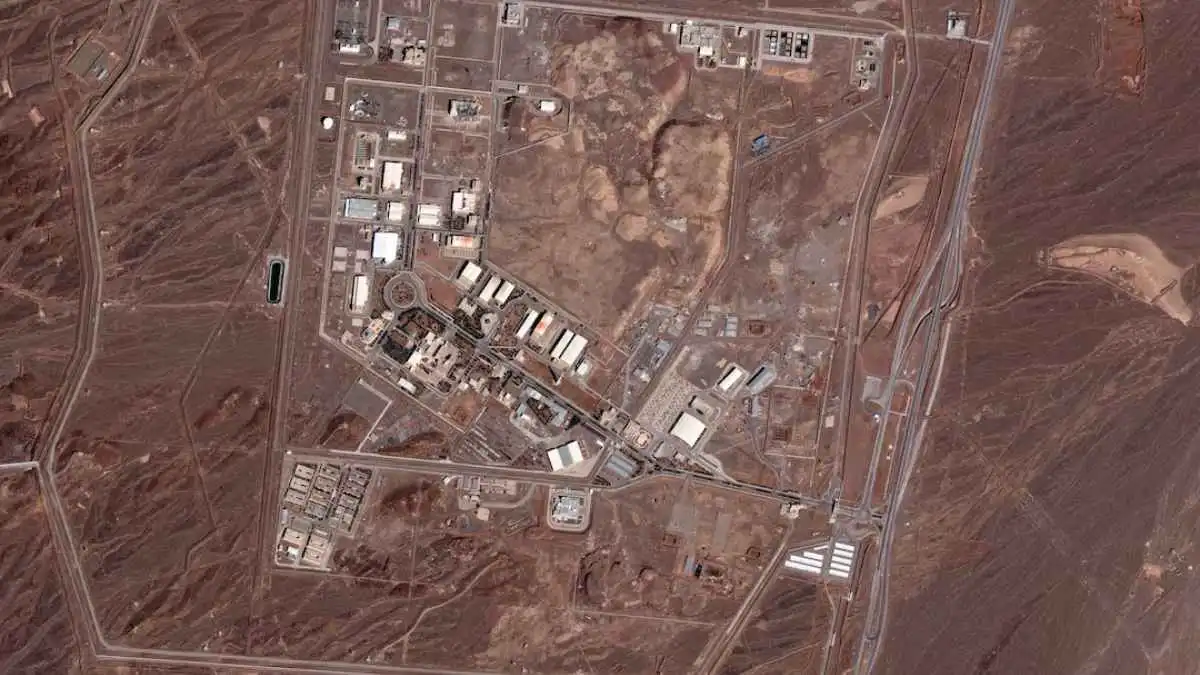
Experts argue that the most realistic scenario does not involve dismantling key facilities such as the Natanz and Fordow nuclear sites, but rather repurposing them as civilian research centres or production sites for medical isotopes and peaceful scientific applications.
This approach, they suggest, would allow Iran to retain its scientific and technical infrastructure while removing any potential military dimension.
A Critical Political Test
Analysts say the Geneva negotiations go beyond a traditional nuclear settlement and instead represent an attempt to establish a new framework for Iran–West relations based on controlled deterrence and sustained verification.
If successful, the Iranian nuclear programme could shift from a long-standing conflict issue into a civilian project governed by broad international oversight and long-term economic partnerships. If the talks fail, however, technical disputes could once again escalate into an open political and security crisis, keeping one of the most sensitive international files in persistent uncertainty.

Related Topics:
Iran nuclear programme Geneva talks nuclear restructuring uranium enrichment Iran IAEA inspections Rafael Grossi US Iran negotiations Qatar mediation Pakistan diplomacy Natanz facility Fordow facility nuclear agreement Middle East diplomacy