US–Israeli Power Struggle in Southern Lebanon


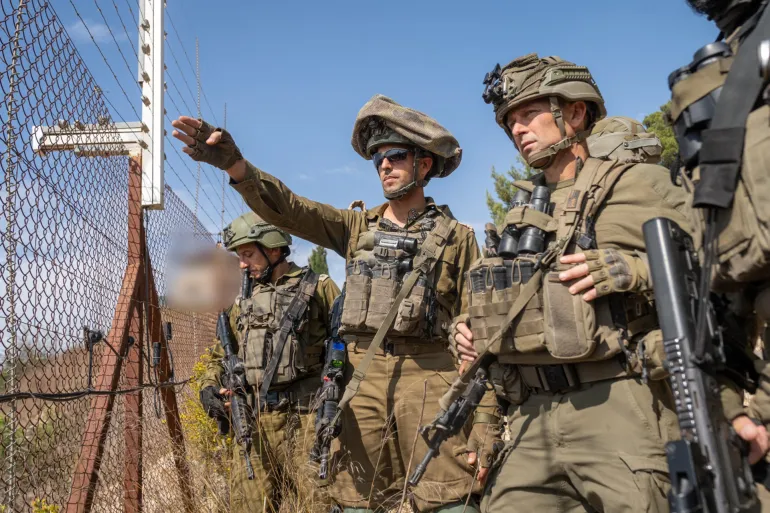
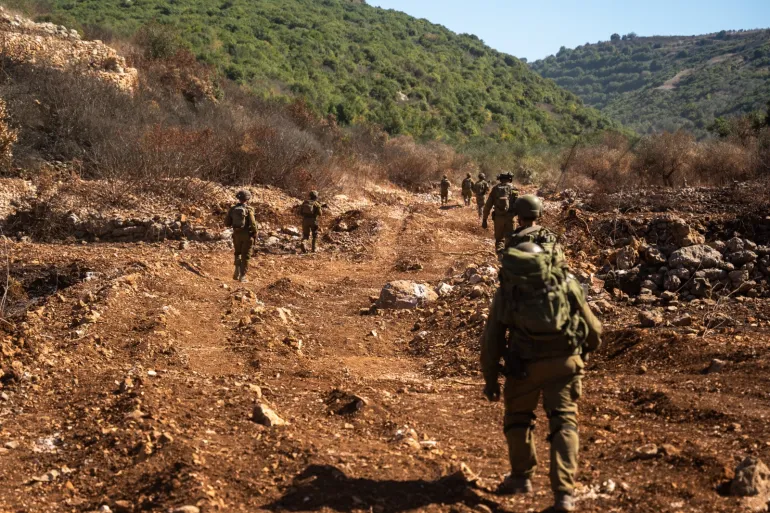
Israeli Defence Minister Israel Katz has reignited debate over the limits of U.S. influence on Israeli decision-making, stating that Tel Aviv will not withdraw from southern Lebanon even if requested by the United States. The remarks reflect Israel’s firm stance on maintaining military positions inside Lebanese territory.
The statement comes amid ongoing indirect negotiations between Lebanon and Israel in Washington under U.S. mediation, while Beirut increasingly hopes that recent U.S.–Iran understandings could pave the way for a consolidated ceasefire and ultimately a full Israeli withdrawal from Lebanese territory.
Israeli Position Links Presence to Security Considerations
Katz’s comments underline Israel’s position that its military presence in southern Lebanon is not a conventional bargaining issue but part of its national security doctrine.
He stressed that Israeli forces would not withdraw even under U.S. pressure, citing concerns over the re-emergence of security threats near Israel’s northern border. He also rejected the return of hundreds of thousands of Lebanese residents to areas under Israeli control.
These positions align with earlier statements by Prime Minister Benjamin Netanyahu and senior military officials, who have repeatedly called for maintaining strategic military points inside Lebanese border areas.
Beirut Insists on Full Withdrawal
In contrast, the Lebanese government maintains that the central objective of ongoing talks in Washington is a complete Israeli withdrawal from occupied Lebanese territory.
Prime Minister Nawaf Salam described the negotiations as the “least costly option” available to Lebanon, while stressing that the end goal remains full withdrawal without exceptions or retained Israeli positions inside Lebanon.
He also called for the release of detainees and the resolution of unresolved border disputes that continue to fuel tensions.
President Joseph Aoun, meanwhile, emphasized that current priorities include consolidating the ceasefire, paving the way for Israeli withdrawal, deployment of the Lebanese army, and the return of displaced residents.
U.S.–Iran Understanding and the Lebanon File
Despite widespread political speculation about interconnected files, both Washington and Beirut insist that the Lebanese–Israeli negotiations are separate from the U.S.–Iran understanding reached in Switzerland.
President Aoun reaffirmed this separation, while U.S. Secretary of State Marco Rubio stated that the United States considers the Lebanese government the legitimate representative of the state.
Rubio also acknowledged an Iranian dimension linked to Lebanon, referring to Tehran’s support for Hezbollah, while noting that this remains part of broader U.S.–Iran dialogue.
He added that Israel’s presence in Lebanon is tied to what he described as ongoing Hezbollah rocket attacks, and confirmed the existence of a parallel negotiation track between Beirut and Tel Aviv.
U.S. Leverage and Its Limits
The United States holds significant leverage over Israel through extensive military aid and diplomatic backing in international forums.
Washington also leads indirect negotiations between Lebanon and Israel, positioning itself as both mediator and potential guarantor of any future agreement.
However, possessing leverage does not necessarily translate into its use, particularly in issues that Israel classifies as core national security matters, which limits Washington’s room for manoeuvre.
Why Washington Exercises Caution
Past experience suggests that U.S. administrations tend to prioritize coordination with Israel rather than direct confrontation, especially on security-related issues.
In the Lebanese file, Washington appears to favour gradual arrangements, including strengthening the Lebanese army’s deployment and reducing tensions, rather than imposing an immediate withdrawal that could destabilize negotiations or trigger political friction with the Netanyahu government.
Netanyahu and the U.S. Political Margin
Despite U.S. pressure dynamics, Netanyahu’s close relationship with U.S. President Donald Trump adds another layer of complexity to the southern Lebanon file.
Netanyahu seeks to avoid direct confrontation with Washington while preserving operational freedom on national security issues, particularly Israel’s military presence in southern Lebanon.
Israeli media reports indicate ongoing security meetings focused on developments in Lebanon and Syria amid rising regional tensions.
Netanyahu has also reiterated Israel’s policy of maintaining what he calls a “security buffer zone” in southern Lebanon to prevent potential Hezbollah attacks, alongside continued references to past operations in Iran and opposition to its nuclear programme.
Emerging Settlement Proposals
Media leaks citing Israeli and Lebanese sources point to a U.S.-backed proposal involving an Israeli withdrawal from certain areas captured during the conflict, with those zones to be handed over to the Lebanese army.
Under the reported framework, Lebanese units deployed in these areas would undergo training and vetting under U.S. supervision, while Israel would retain a military presence in a designated border buffer zone—an attempt to balance Lebanese sovereignty demands with Israeli security concerns.
Is the Lebanon File Linked to Iran Talks?
Efforts to reduce regional escalation under the U.S.–Iran understanding are seen as part of broader de-escalation across multiple fronts, including Lebanon.
However, there is no clear indication yet that Washington is prepared to tie that understanding to a full Israeli withdrawal from southern Lebanon or to apply direct pressure to achieve it, leaving the situation open to multiple trajectories.
Ceasefire Stabilisation Mechanism in Lebanon
A dedicated mechanism has been established to stabilise the ceasefire in Lebanon following the U.S.–Iran understanding announced in Switzerland. This body is tasked with monitoring implementation of the truce and preventing renewed escalation along the Lebanese front.
Prime Minister Nawaf Salam said the mechanism was formally communicated to Beirut and is separate from the Washington negotiation track.
It is intended to support stability and accompany regional understandings, while the Washington talks focus on specific issues including Israeli withdrawal, Lebanese army deployment, detainees, and unresolved border points.
The effectiveness of this mechanism ultimately depends on the willingness of all parties to translate political de-escalation into concrete steps on the ground.

Related Topics:
southern Lebanon US Israel relations Israel Lebanon conflict Israel Katz Benjamin Netanyahu Nawaf Salam Joseph Aoun Washington talks ceasefire Lebanon Hezbollah tensions US Iran understanding regional diplomacy Israeli withdrawal border dispute Lebanon