Swiss Talks Aim to Isolate Israel’s Role as U.S.–Iran Negotiations Continue


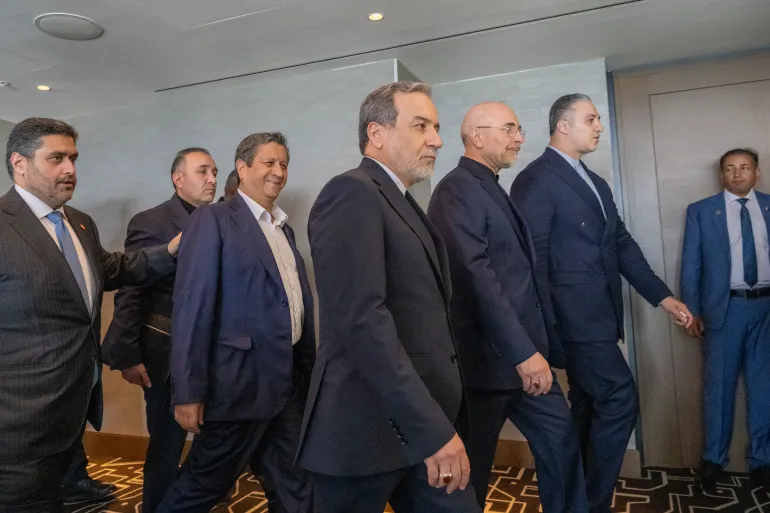
U.S.–Iran negotiations hosted in Switzerland are taking place in a highly complex political and security environment, as international mediators intensify efforts to prevent the talks from collapsing and to secure a long-term agreement that could reduce regional tensions and bring an end to ongoing conflict dynamics in the Middle East.
The discussions cover several highly sensitive issues, including Iran’s nuclear programme, uranium enrichment levels, and stockpiles of highly enriched nuclear material. The agenda also extends to financial sanctions, frozen Iranian assets, maritime security in the Strait of Hormuz, and broader efforts to de-escalate conflicts across multiple regional theatres.
Time-Limited Negotiation Framework
The negotiating period has been set at approximately 60 days, placing significant time pressure on all parties to achieve measurable progress despite the complexity and interconnected nature of the issues under discussion.
Mediators believe this timeframe alone may not be sufficient, prompting the establishment of additional mechanisms designed to prevent a breakdown in talks and to facilitate structured management of disputes between the U.S. and Iranian delegations.
Multi-Level Mediation Structure
As part of the process, a high-level political committee has been formed to oversee the overall negotiations, alongside specialized working groups tasked with specific dossiers. These include Iran’s nuclear file, economic sanctions, and regional dispute resolution.
The structure is intended to address the technical and legal complexities that could hinder progress, by distributing responsibilities across focused expert teams.
Efforts to Shield Talks from External Pressure
Available information suggests mediators are accounting for the risk of external interference in the negotiations, whether through military escalation or political positions that could undermine the process.
In this context, Qatari officials have pointed to the possibility that certain actors may attempt to disrupt the talks, reflecting the broader regional environment marked by persistent tensions.
Mediation efforts led by Qatar and Pakistan are reportedly focused on establishing mechanisms to prevent escalation and to address incidents before they evolve into broader crises that could derail the diplomatic track.
Dedicated Lebanon Track
Among the organizational measures agreed upon is the creation of a joint working group on the Lebanese file, aimed at ensuring adherence to a ceasefire and preventing the expansion of military escalation.
This approach is part of a broader effort to separate active conflict zones from the main negotiation process and to reduce the impact of regional flashpoints on the Swiss talks.
Concerns Over Israel’s Influence
Political assessments indicate that one of the main sources of tension surrounding the talks is Israel’s position, which has expressed clear reservations regarding potential U.S.–Iran understandings.
Mediators are concerned that any military or political escalation could disrupt the negotiation process, particularly given the sensitivity and interconnection of the issues with multiple regional fronts.
Maritime Routes and Communication Channels
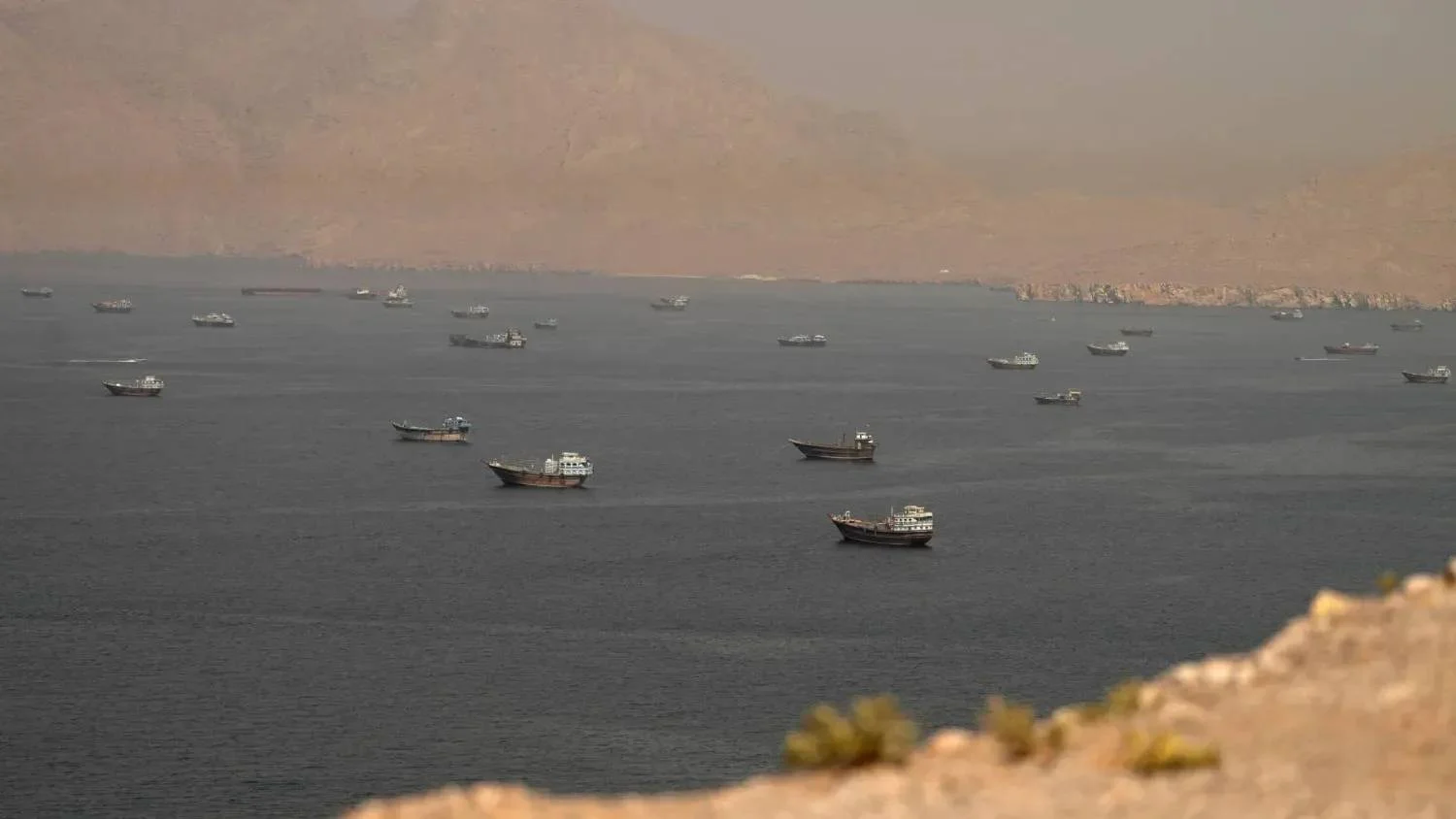
The Strait of Hormuz remains one of the most sensitive issues in the negotiations due to its strategic importance for global trade and the risk of disruption in the event of military escalation.
For this reason, the parties have agreed to establish a direct communication line to prevent misunderstandings that could trigger incidents in this critical maritime corridor.
The hotline is designed to enable rapid response to any emergency situation, ensuring continuity of maritime traffic and reducing the risk of escalation into a wider confrontation.

Related Topics:
US Iran talks Swiss diplomacy Middle East negotiations nuclear programme Iran uranium enrichment economic sanctions frozen assets Strait of Hormuz security regional deescalation ceasefire Lebanon Qatar mediation Pakistan diplomacy